La Grande
Avventura
“Four weeks, four countries, one campervan — and a journey through the heart of Italy we’ll never forget.”
From Frodsham to Siena and back
“We left at 3am on a cold February morning — and didn’t come back for four weeks.”
This was Inigo’s first proper European adventure. From our home in Frodsham we drove south through the night to Dover, crossed to Calais, and pointed the nose towards the Alps. What followed was 27 days of alpine passes, lake shores, Roman arenas, Renaissance hill towns, Ligurian cliffs and Beaujolais vineyards — with our dog Darcy riding shotgun the entire way.
We crossed into Italy through the Fréjus tunnel, drove the full length of northern Italy from Lake Como to the Ligurian coast, looped through Tuscany and the Emilian Apennines, and came home via the French wine country. It was the trip that proved — once and for all — that a campervan is the finest way to travel Italy.
Here’s how it went, region by region.
Through the Fréjus Tunnel
“You emerge from the tunnel into Italy and everything is different — the light, the rooftops, the smell of coffee.”
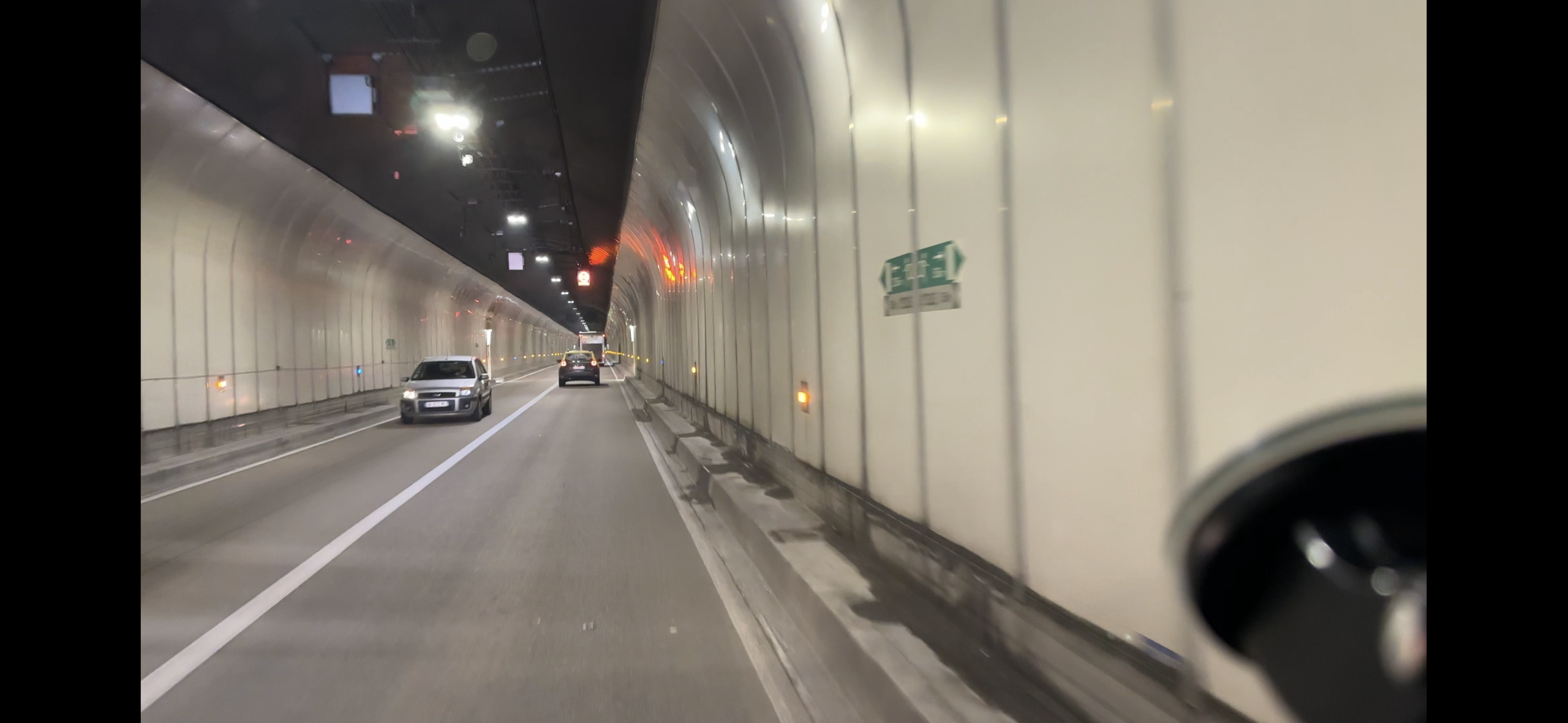
The drive over the Alps via the Fréjus tunnel (12.9km of mountain punched through from France to Italy) is one of the great van life moments. One minute you’re in grey France; minutes later you’re in golden Italy, the Susa Valley opening up below you with terracotta towns and espresso bars.
We drove straight to Lake Como — staying first at Como town (pleasant but busy) before heading north along the western shore all the way to Colico at the very top of the lake. The northern end is wilder, quieter, and infinitely more dramatic than the celebrity-hotel south. The Alps crowd in on all sides and the lake reflects them perfectly.


Verona — Romeo’s city
“The Roman Arena is 2,000 years old and still hosts opera every summer. Verona does not do things by halves.”
We picked Caryn up from Bergamo airport and drove straight to Verona — a perfectly preserved Roman and medieval city built in a bend of the Adige river. We stayed two nights, which felt right: the first to arrive and wander in wonder, the second to properly explore.
The Roman Arena on the Piazza Bra is breathtaking — the third-largest in the Roman world, still completely intact, still hosting opera every July. Juliet’s balcony is a tourist trap but worth seeing. The Torre dei Lamberti gives the best views across the red-tiled rooftops. The Valpolicella wine at dinner was exceptional.
Venice by water bus
“You can’t drive a campervan into Venice. You park on the mainland and the city materialises across the lagoon like a dream.”
The trick with Venice and a campervan is Camping Venezia Village on the mainland — park up, take the bus or water bus across, and you’re in the city within 20 minutes. We went in the morning as the mist was still clearing over the lagoon. The Grand Canal, the Rialto, the Basilica di San Marco, the Doge’s Palace — all extraordinary and strangely uncrowded in early March.
Venice is one of those places that no photo or description does justice to. The city simply defies logic — built on water, crumbling, ancient, impossibly beautiful. If you’re driving Italy in a campervan, this is a non-negotiable stop.


Ferrara, Modena & the Ferrari Museum
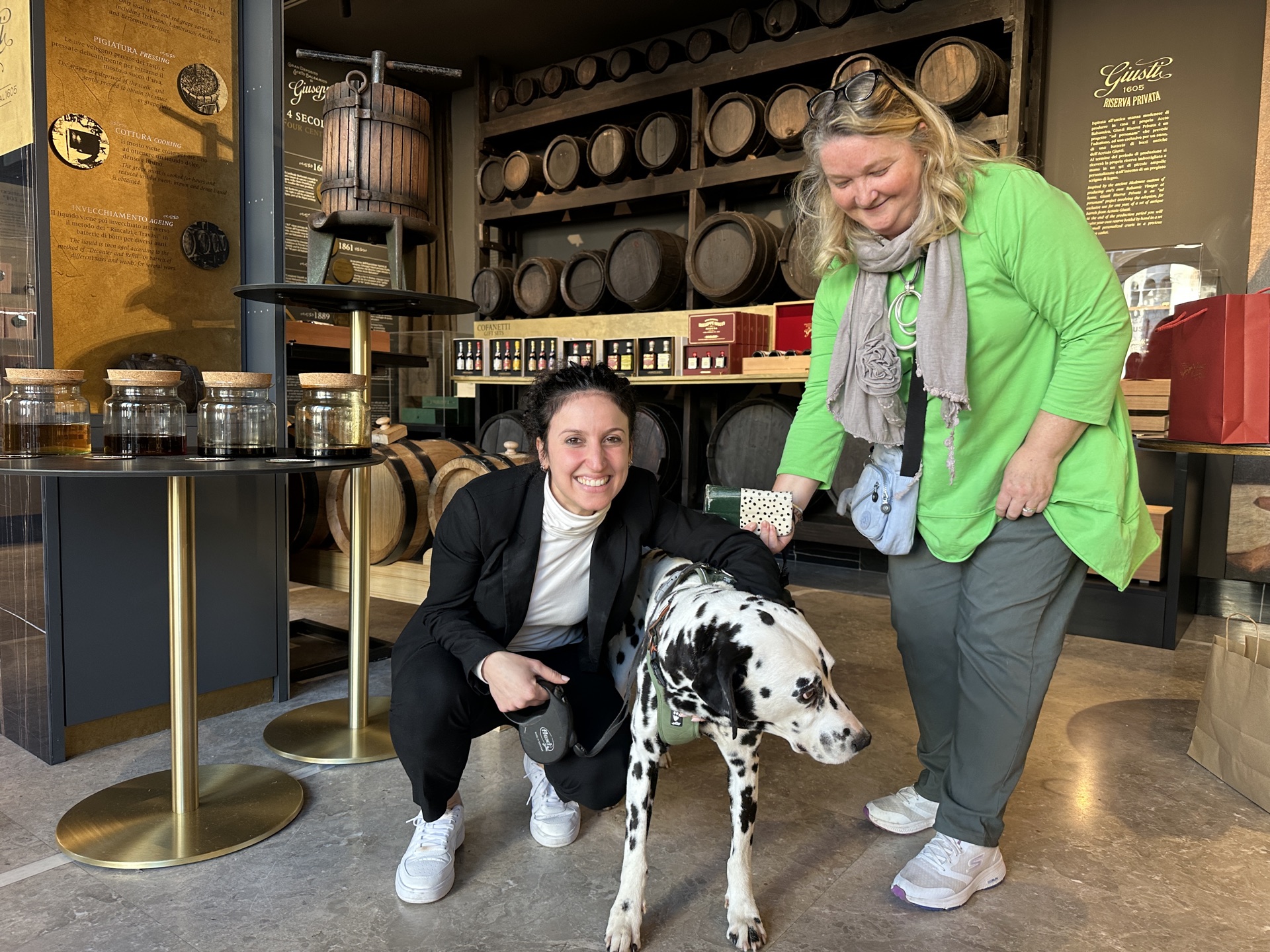
“Modena gave the world Pavarotti, Ferrari, and real balsamic vinegar. That’s quite a contribution from one small city.”
After Venice we headed south into the flat Po Delta — vast rice paddies and poplar-lined drainage channels — and on to Ferrara, a UNESCO Renaissance city of wide streets, grand palaces and an almost obsessive cycling culture. The moated Este Castle in the city centre is extraordinary.
Then Modena, and the pilgrimage to Maranello. The Museo Ferrari is 15km south of the city and absolutely worth it — the history of the Prancing Horse laid out in glorious, deafening, beautiful detail. Back in Modena itself, the Romanesque Duomo and Ghirlandina tower are a different kind of perfection, and the tortellini in brodo at a backstreet trattoria was the best pasta of the trip.
Barga, Volterra & Siena
“We had a tyre blowout in a geothermal town. Steam rose from the fields as we changed the wheel. Only in Italy.”
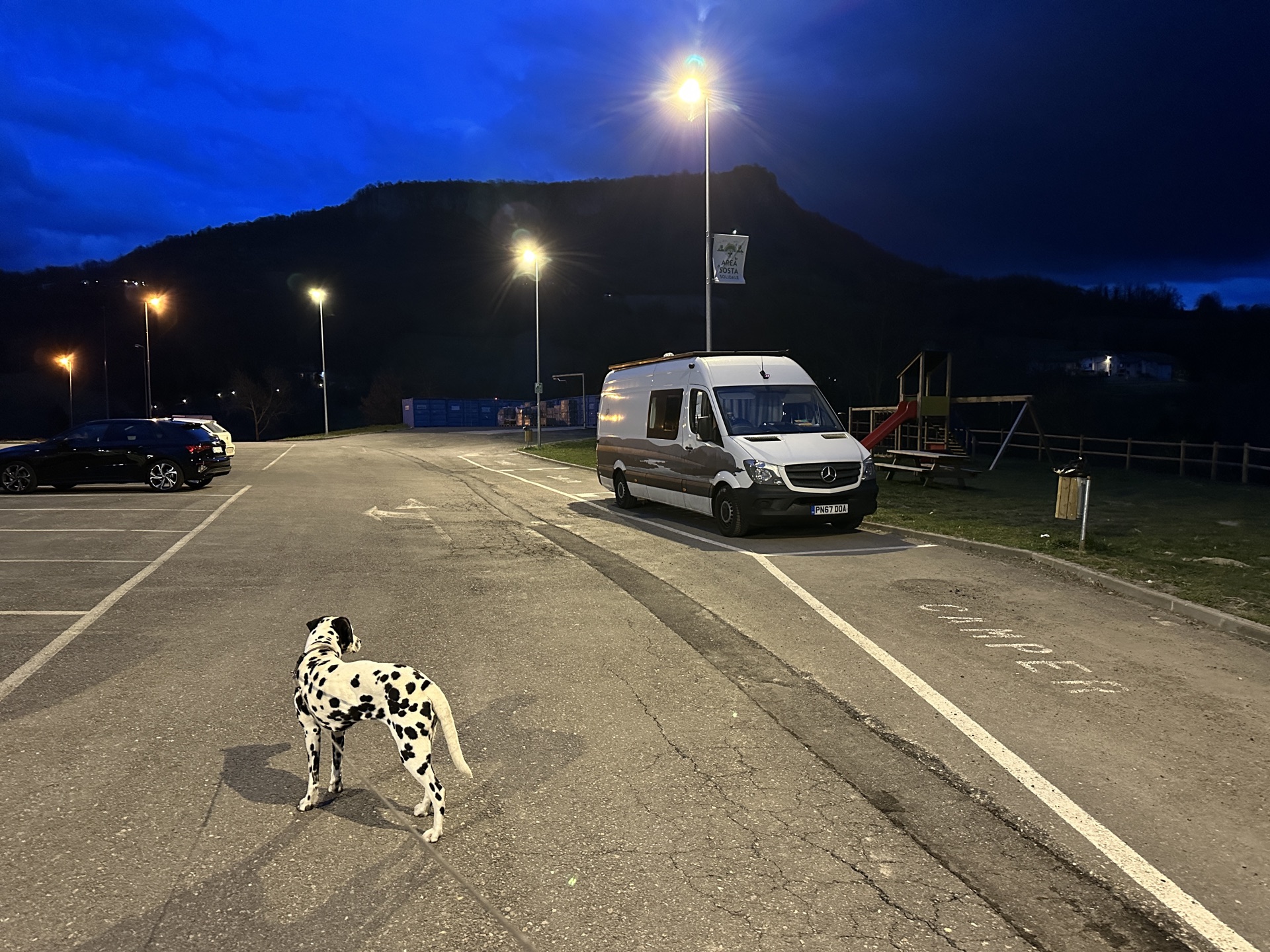
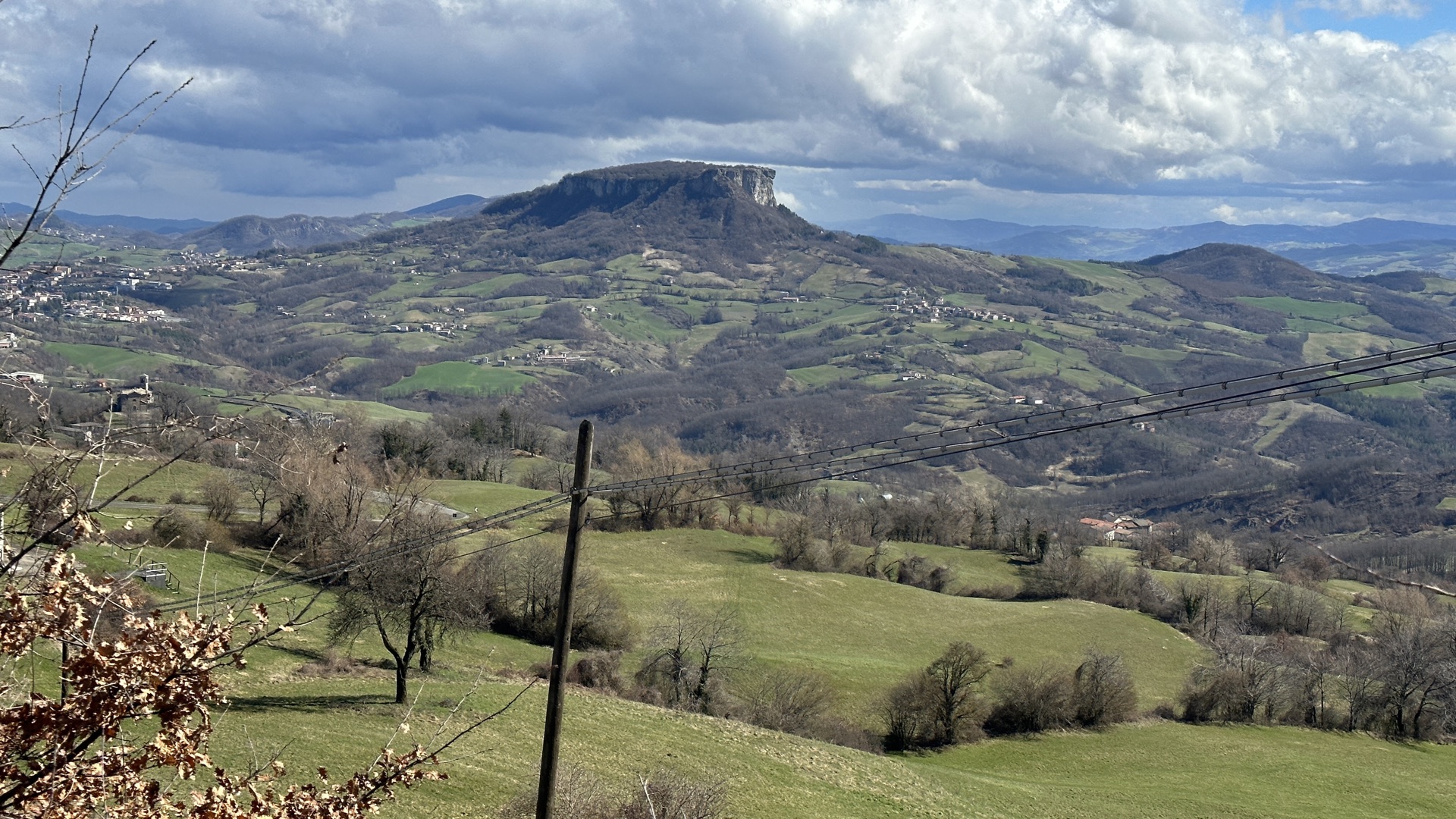
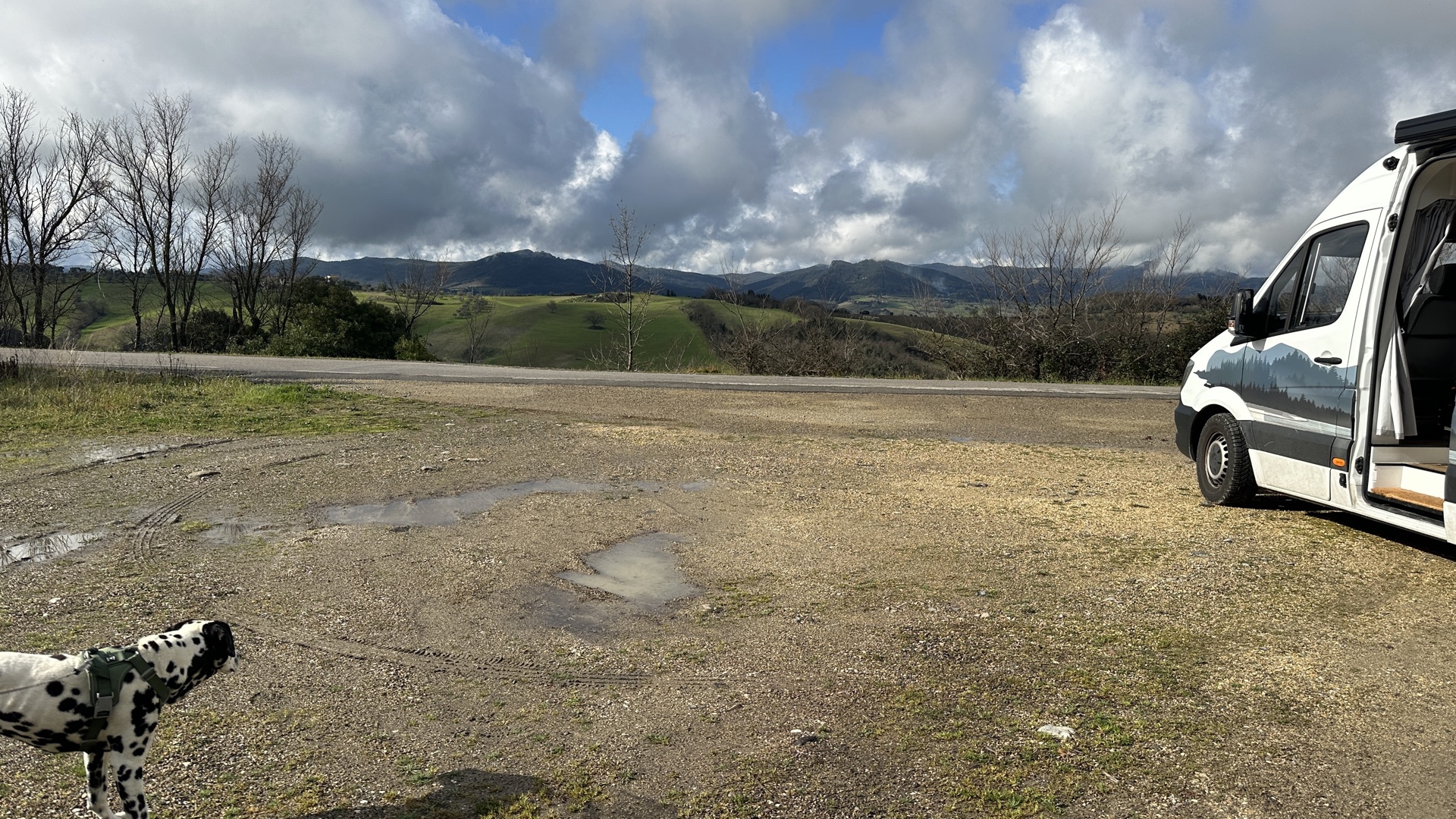
Leaving the flat Po Plain, we climbed into the Emilian Apennines — a completely different Italy of chestnut forests, rocky gorges and hilltop villages. We parked up at Castelnovo ne’ Monti (the campsite was next to a supermarket and an ambulance station, which our notes record with some amusement) near the extraordinary flat-topped rock of Pietra di Bismantova that inspired Dante’s Purgatory.
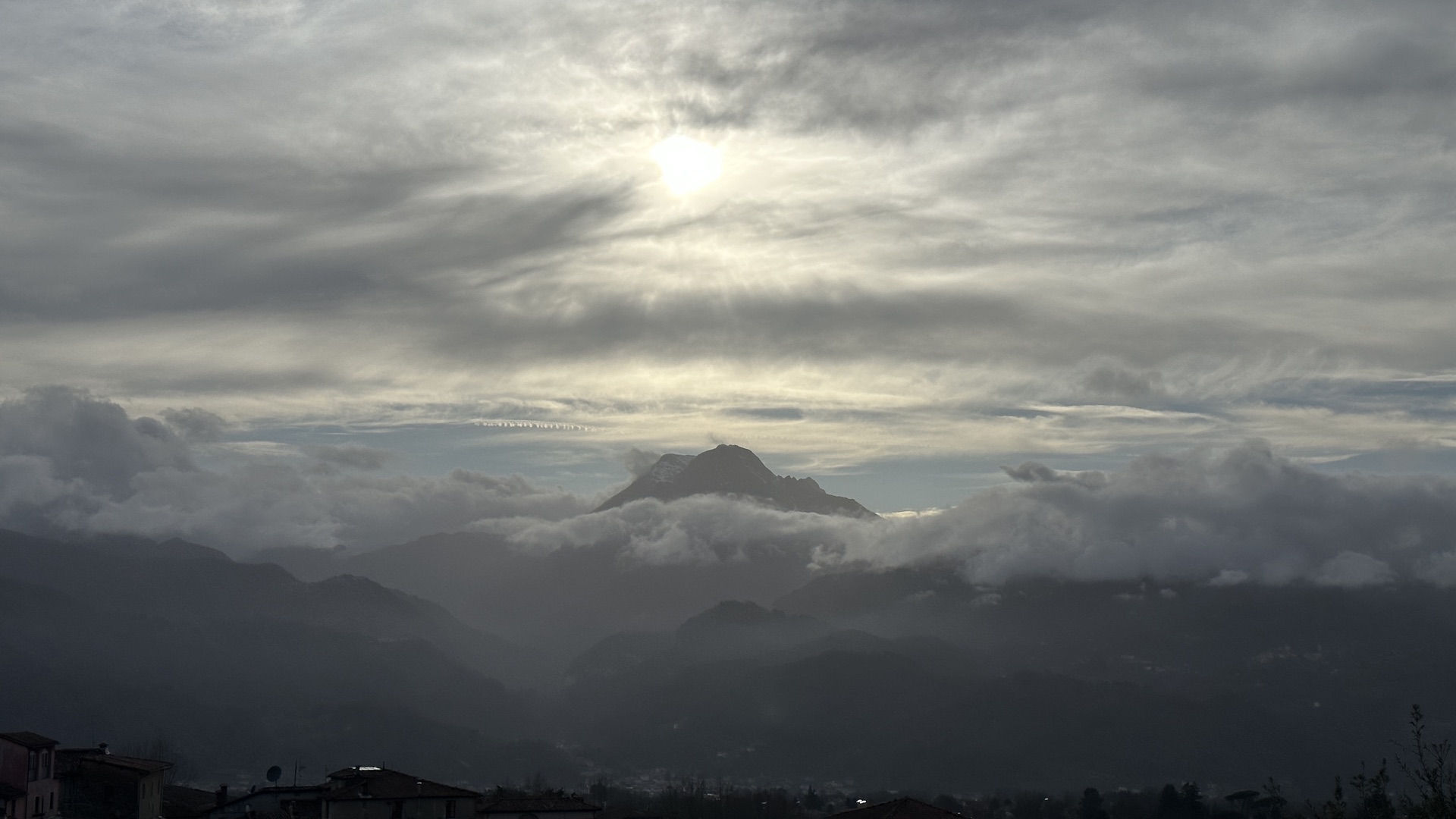
Crossing the Apennine ridge into Tuscany, we arrived at Barga in the Garfagnana — the most unexpected gem of the trip. A perfectly preserved medieval hill town above the Serchio valley, with an extraordinary cathedral terrace and a long, curious historical connection to Scotland. Then a tyre blowout in the geothermal town of Pomerance (steam vents in the fields; very dramatic), and on to Volterra — an Etruscan city perched 550m above the surrounding valleys with 3,000 years of history and almost no tourists.
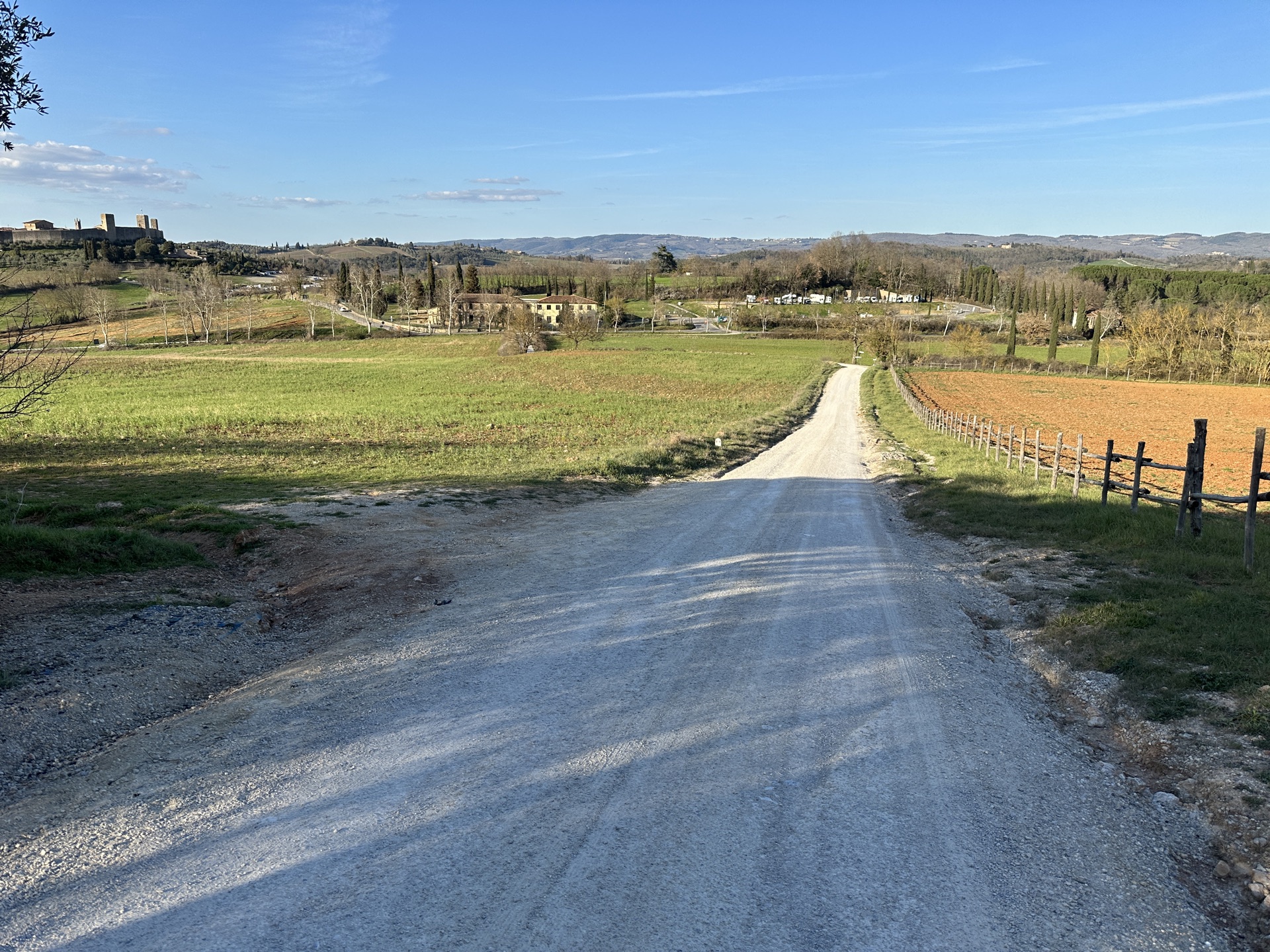
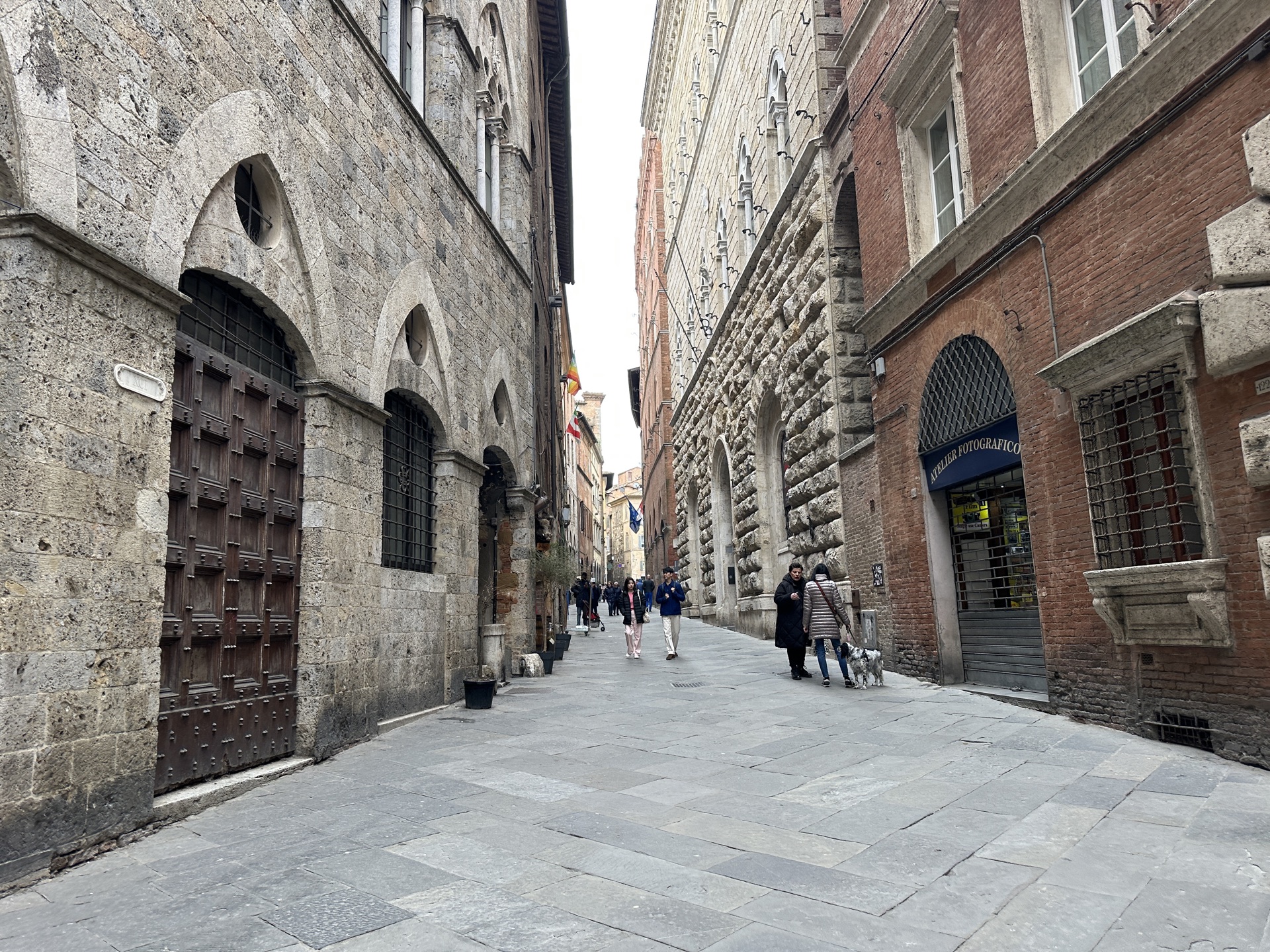
Siena was the final Tuscan stop: the shell-shaped Piazza del Campo is one of Europe’s great public spaces, and the black-and-white Gothic Duomo is simply stunning.


Deiva Marina, Cinque Terre & Boccadasse
“The Ligurian motorway runs on viaducts over the sea. You drive through tunnels and emerge, blinking, above turquoise water.”
After dropping Caryn at Pisa airport (solo leg now — just me and Darcy), we drove north up the Tuscan coast and into Liguria. Deiva Marina in March is everything the Riviera should be — quiet, beautiful, entirely authentic. The beach was empty, the pasta was pesto, the coffee was excellent.
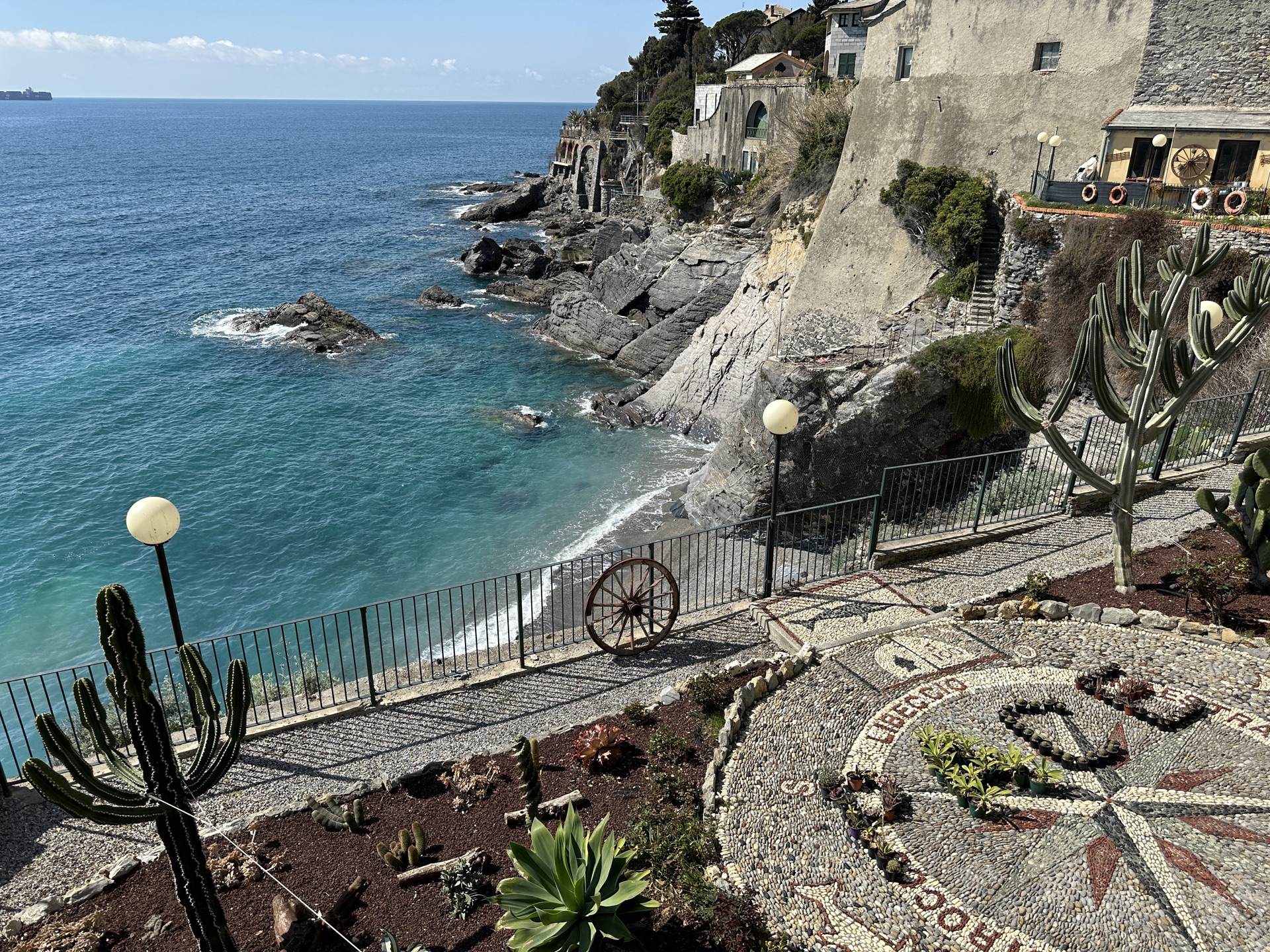
The highlight of Liguria was Boccadasse — a medieval fishing village that has somehow survived completely intact inside the city limits of Genoa. Coloured houses, fishing boats pulled up on the shingle, a gelateria on the waterfront. It’s the kind of place that makes you wonder how the world managed to leave it alone.
Beaujolais, Chablis & the road north
“We passed back through the Fréjus tunnel, drove up the Rhône Valley, and parked in a Beaujolais vineyard as the sun went down.”
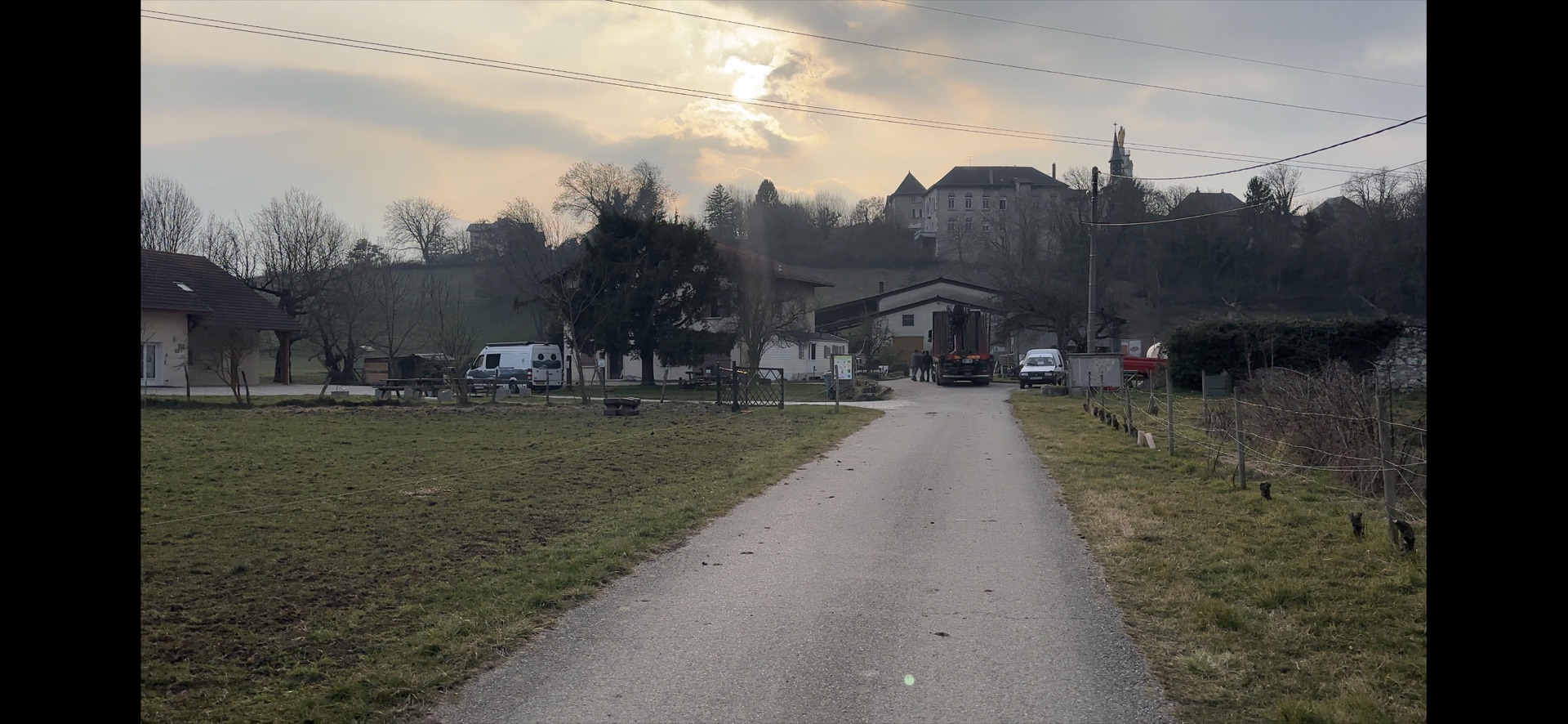
The return was its own journey. Over the Alps again via the Fréjus tunnel, then north up the Rhône, past Lyon to the Beaujolais hills. Villie-Morgon and Fleurie — the heartland of Beaujolais cru wines — are a world away from the November Nouveau. We found a pitch on campingcarpark.com right among the vines and spent the evening working through a bottle of Morgon.
North through Burgundy to Chablis (tasting is obligatory), then Reims for Darcy’s vet appointment (the UK requires a rabies titre test and sign-off before re-entry), and a final night in the Belgian Ardennes woodland at the gorgeous Floreal Gossaimont site near Lierneux. Then Bruges, Calais, Dover, and the long M6 north home.


The journey in photos





















Trip highlights
The wild northern tip of the lake — the Alps crowding in on all sides, and not a celebrity hotel in sight.
Arriving by water bus through the morning mist. Empty streets, no queues, St Mark’s almost to ourselves.
A pilgrimage for any petrolhead. The history of Ferrari in glorious, thundering, beautiful detail.
The trip’s most unexpected gem. A medieval hill town above the Serchio valley that almost no one knows about.
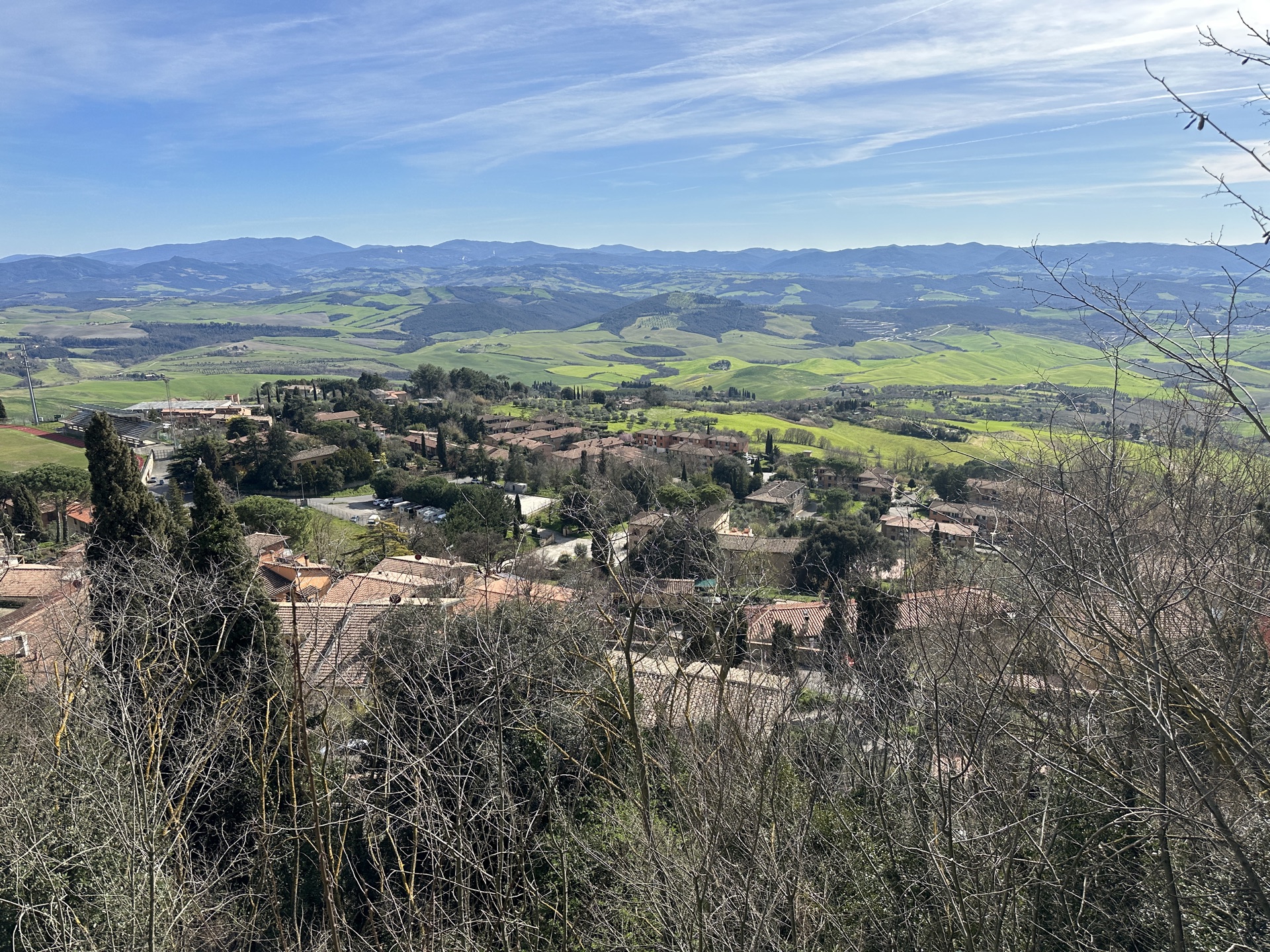
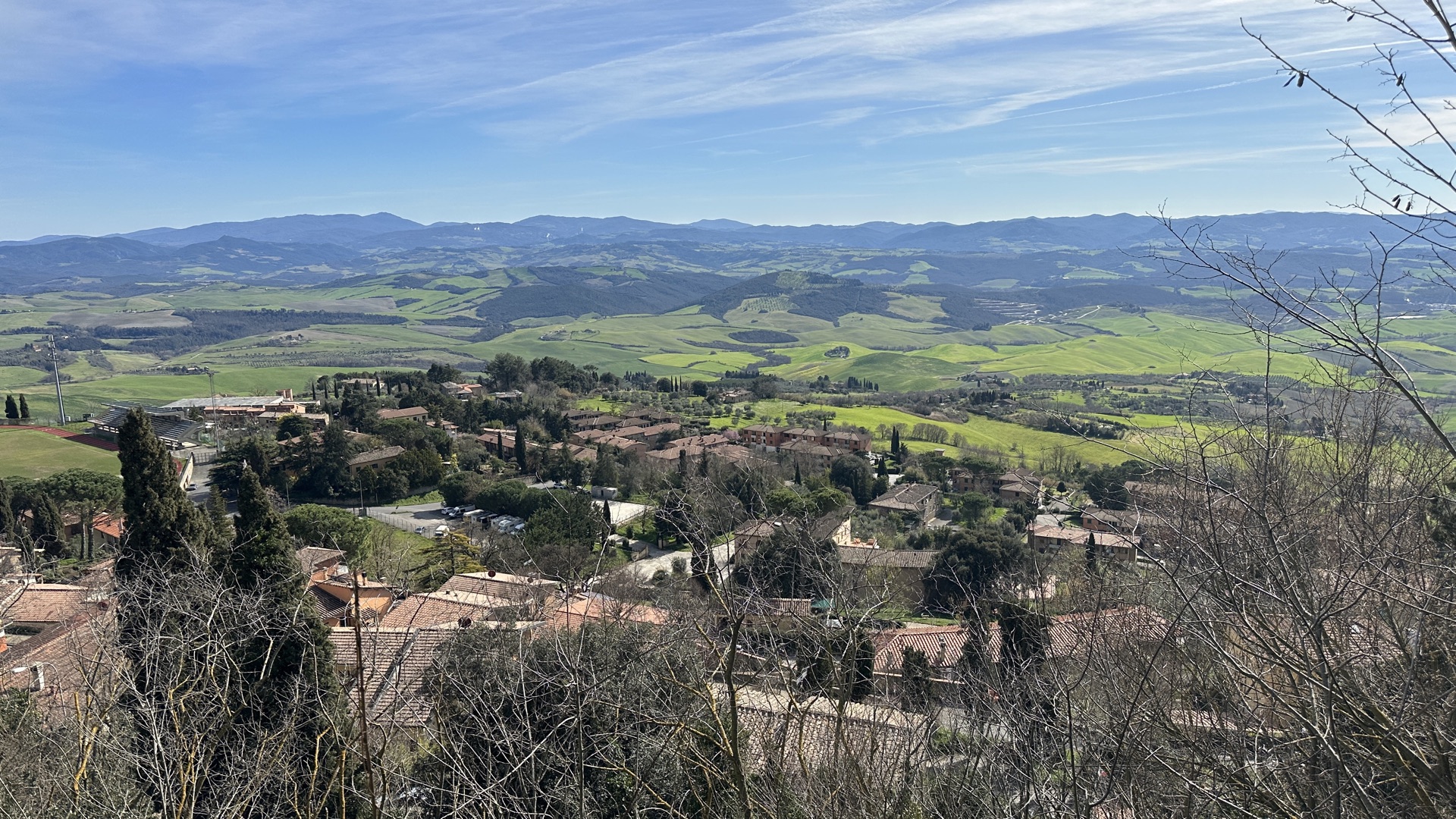
Etruscan cliff-top city, 3,000 years old, alabaster craftsmen, Roman theatre below the walls — and almost no tourists.
A medieval fishing village that survived completely intact inside Italy’s sixth-largest city. Timeless and magical.
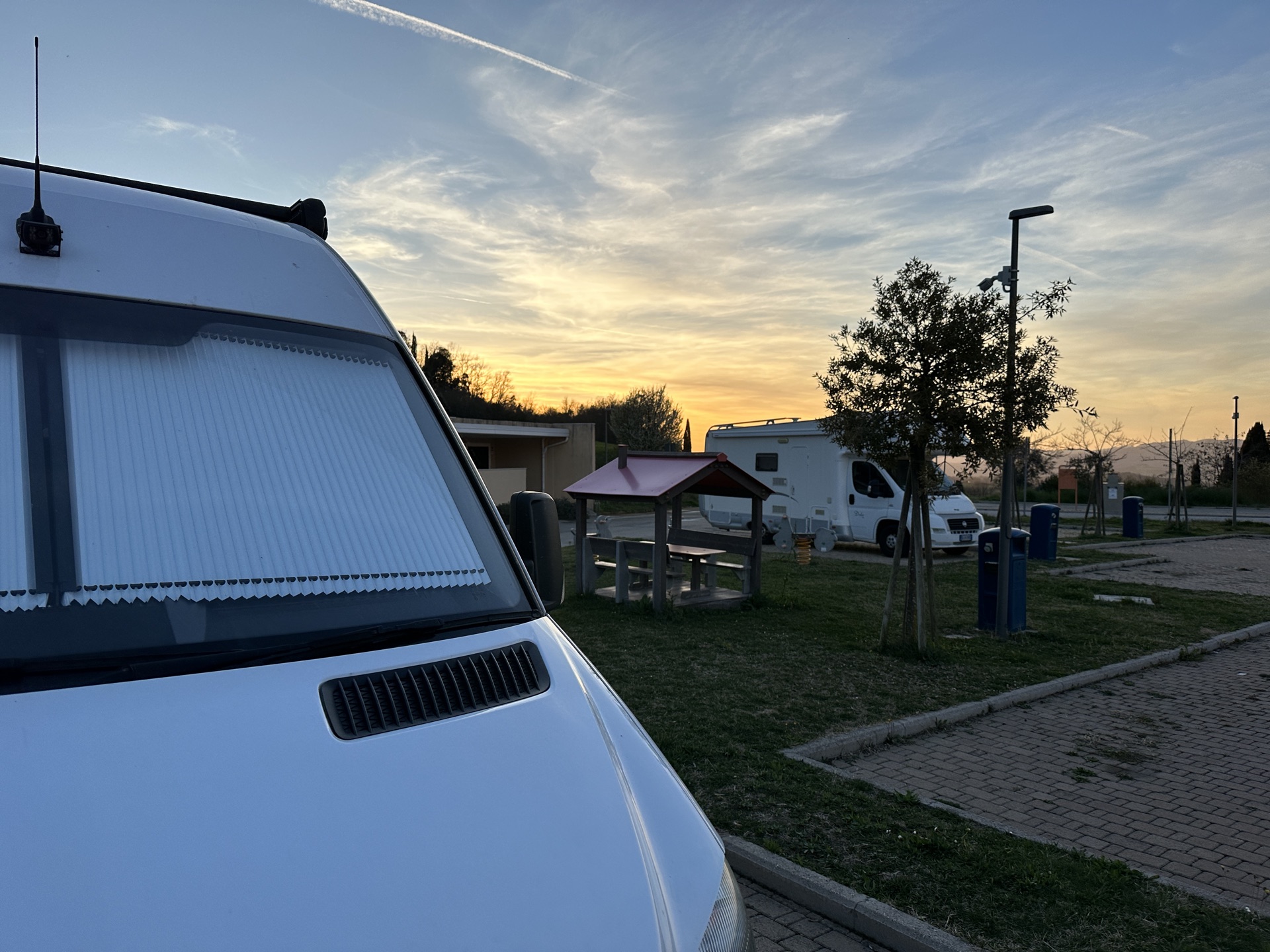
Parked among the Morgon vines at Villie-Morgon. Beaujolais cru wines in situ are a revelation.
The most perfect public square in Italy — shell-shaped, medieval, tilted, alive. Worth the whole trip.
If you’re doing this trip
- Italy has an excellent network of Aree di Sosta — central, cheap (€5–15/night)
- Use CamperContact.com or Park4Night to find them
- Many towns allow free overnight parking in designated areas
- March is perfect — sites are quiet and staff are delighted to see you
- Fréjus Tunnel: ~€55 return for vehicles under 12m
- Fréjus Tunnel: ~€55 — good alternative, often shorter queue
- Italian autostrade tolls — budget €80–100 for the full route
- ZTL zones in historic centres — never drive in. Watch the signs carefully
- Mountain roads to Barga and Castelnovo are fine in a 7m van — just slow down
- Most Italian campsites welcome dogs — confirm in advance
- Microchip + EU pet passport + rabies vaccination required
- Rabies titre test for UK re-entry — must be done 30+ days before return
- Book a vet appointment in France on the return leg
- Italian beaches in March are generally dog-friendly
- Eat one street back from any main piazza — prices halve, quality doubles
- Modena: tortellini in brodo, true balsamic, Lambrusco
- Genoa: pesto was invented here — order it everywhere
- Tuscany: pici pasta, ribollita soup, Chianina steak, Vernaccia wine
- Aperitivo 6–8pm — one drink = free snacks. Non-negotiable.
More adventures are waiting
This was just the beginning. Read more of our trips or follow along as we plan the next one.
All Our Trips →